Putting together a home theater setup that is high-end and meets all your requirements is no easy task. In a theater system where every link is connected to the next, a shortcoming in any one area will take a heavy toll on the whole. So what are the tricks to buying a high-end home theater? A home theater is a complete audio-visual system that includes the signal sources, the audio and the video display and many other elements, and involves the operating environment, how the system is put together, the connections and the control. These must be combined organically to form a harmonious whole, and must match your own aesthetic taste and lifestyle. So let Snail Power give you some advice:
1. Choosing a projector and a projection screen
When designing a home theater, it is best to choose a projector rather than a TV, and when choosing a projector it is best to choose a home projector rather than a commercial model; if you can afford it, choose a 1080P full-HD model. Beginners can project the picture straight onto a white wall. For a room of about 20-30 square meters, a screen size of 100-120 inches is common. We do not recommend high-gain screens, because most of these are intended for conference presentations. If you have the budget, it is best to choose a black screen; black screens give a better picture than white or grey ones.
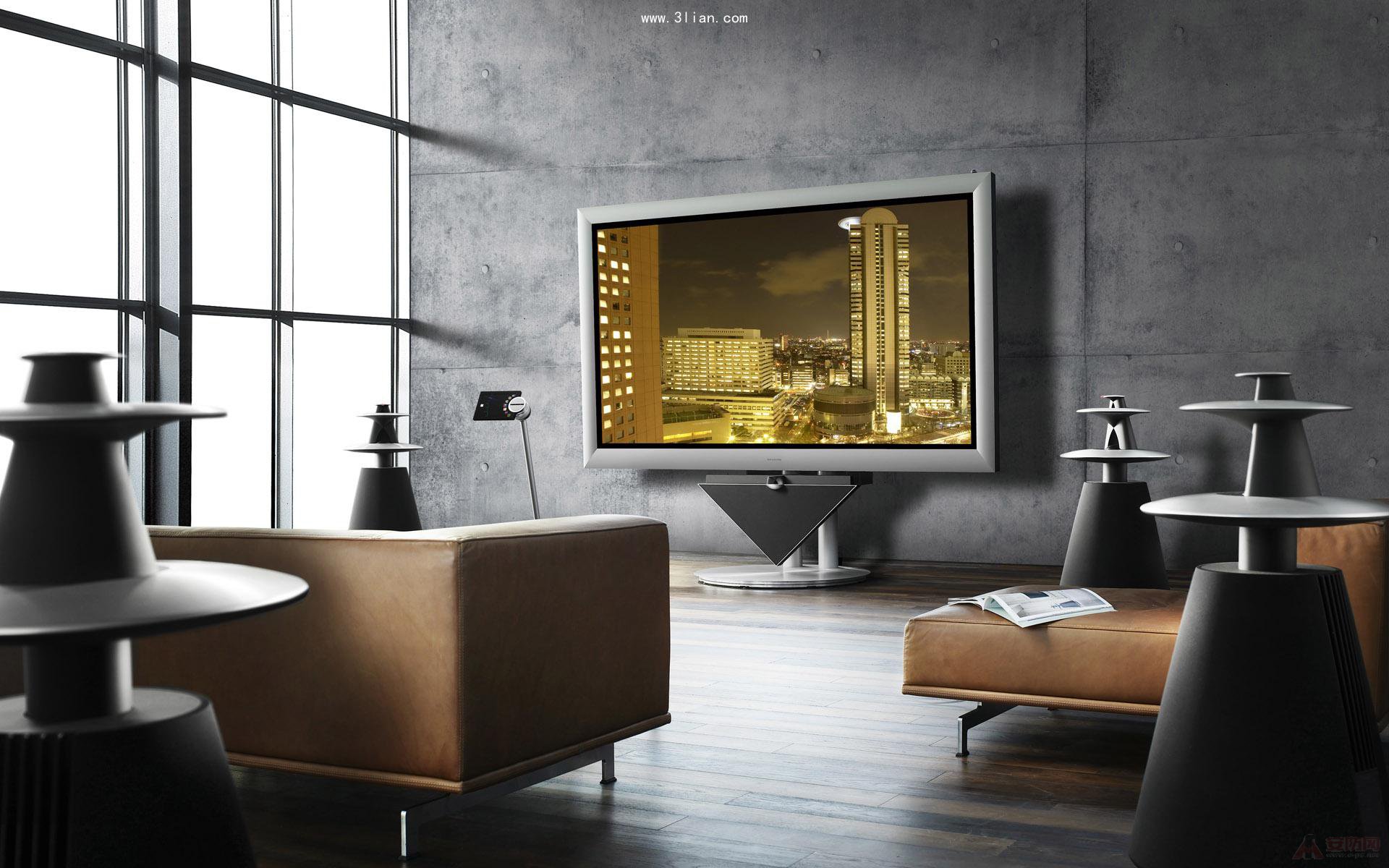
High-end home theater audio system
2. Choosing speakers for a home theater(1) You need a good auditioning environment: audition in a relatively enclosed room so that you can carefully compare the characteristics of the system and quickly understand the strengths and weaknesses of the audio equipment.
(2) Pay attention to the compatibility between the projector, the speakers and other products: it is far from enough for a buyer to look only at the brand of a single product; having enough knowledge of how to match components is a prerequisite for buying audio equipment.
(3) Will they install and set it up on site? Wiring and positioning the speakers and setting up the system are fairly complicated, so it is undoubtedly very important that the dealer can come to your home to install and set up the system.
(4) Have you considered the need to upgrade? Because technology advances quickly, audio equipment is a home appliance that easily becomes out of date, so when buying, choose products that can be upgraded as far as possible.
(5) Bigger speakers are not always better: choose a speaker system that suits your room, rather than single-mindedly pursuing the high-end and the impressive.
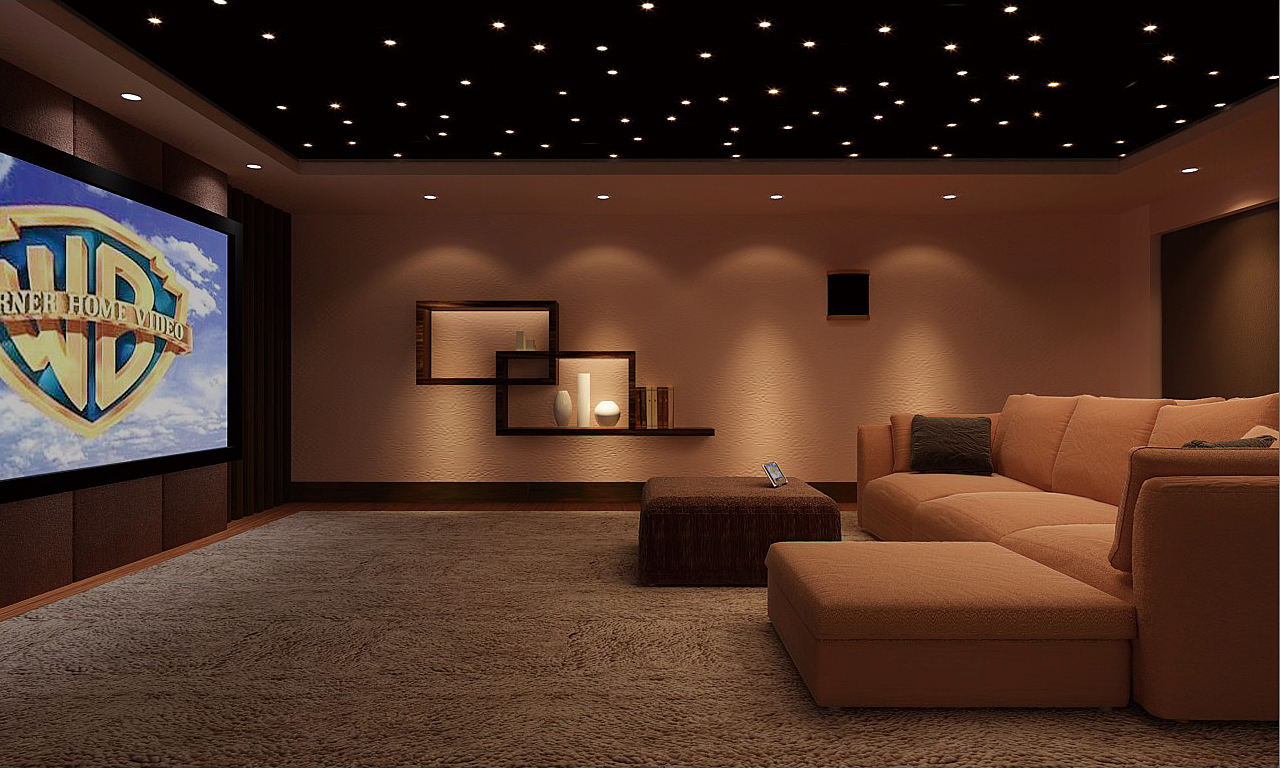 High-end home theater audio system
3. Choosing an amplifier
Decoding capability: the decoding capability of an AV amplifier is the first thing to consider, and it should be considered together with the video player you choose. Only with good decoding capability can you play video and audio files in more formats.
Easy adjustment: the control capability of an AV amplifier is also very important. Besides the master volume, the amplifier should also have five independent volume adjustments, which makes it easier for us to control the effect of the audio-visual system.
Power output: generally, the greater the amplifier's power, the higher the price, but in everyday use the power required is usually fairly low, so when buying a home theater amplifier there is no need to single-mindedly pursue high power and waste money.
Number and types of connections: on the back of a home theater amplifier there is a large array of audio and video inputs and outputs. More connections means that more video and audio sources can be connected at the same time, and the benefits are self-evident.
High-end home theater audio system
1. Where it will be used. A home theater, as the name suggests, is a theater system used at home. Customers in Changsha generally put it in the living room or in a dedicated viewing room. Different environments make different demands on the equipment, and the results in an open space differ from those in an enclosed one; this is the first thing we have to consider. If it is a shared family activity area, a simple, easy-on-the-eye system is appropriate; in a dedicated room you can give full play to your ideas, and a high-end combination is best. If the room can be darkened well you can consider a large-screen projection setup; it is best not to use a professional or business projector with a 4:3 aspect ratio, but to choose a 16:9 home projector. In a bright environment, however, a large TV is the only option, and a 16:9 screen of 32 inches or more is the minimum requirement; if the conditions allow, of course, the bigger the better.
2. Size of the room. The size of the viewing area is closely related to how the equipment is chosen and matched. First, the projection system. Generally speaking, a closed space of more than 18 square meters is enough for projection, while a viewing room of more than 50 square meters will require you to set aside a large sum for equipment and also to have good acoustic treatment; of course, the results are hard for a small room to match. Second, the audio system: because rooms differ in size, the resulting reverberation time differs, and a reverberation time that is too long or too short will make the listener uncomfortable. But nothing is absolute: if you choose the equipment carefully and tune the room's characteristics well, even 10 square meters can give good results.
3. Space and acoustic treatment. If funds are sufficient, professional acoustic treatment will make everything much easier, and an audio-visual consultancy can help. But there are some basic acoustic rules we must follow, for example not having too many or too large glass windows and cabinets, and not having too flimsy a bookcase; these are all killers of sound, especially at low frequencies, where such an environment is an outright disaster that can never be put right. Carpets, sofas, coffee tables, framed pictures, curtains and so on are all good tools for tuning the sound, and an environment with more diffusion and absorption will be far better than bare walls on all four sides. At this point you may as well bring out a little wisdom and artistic flair and beautify your home. In addition, if you go for large-screen projection then, besides strict light control, the room's colour scheme should not be too bright or too reflective.
4. How much to invest and in what proportions. As for investment, an entry-level system including the video equipment will reach a basically acceptable standard for around 20,000 yuan, while a high-end system costing 1,000,000 yuan may still give only ordinary results if it is not carefully adjusted; we have seen this far too often. The key is still whether you put your heart into it. As for the proportions of the investment, at around 50,000-100,000 yuan a ratio of 1:3:4:1 for signal source : video : audio : accessories (cables, racks and so on) should be roughly appropriate. But this is not absolute either; sometimes factors such as the characteristics and value for money of the equipment will also affect how the investment is divided, so be flexible and adapt to local conditions. What matters is that the proportions are not too unbalanced, which would create a "bucket effect".
5. Pre-installed wiring and connecting cables. Before decorating, it is best to plan out the cables, including the power cords, speaker cables and signal cables, and fix their positions, and also to think through the lighting and control; it is best to do the acoustic treatment at the same time too, otherwise cables trailing everywhere will be enough to drive you mad. Remember to use high-quality cables, and do not forget to add an HDMI cable: nowadays it is best to transmit audio and video digitally, so bear that in mind. There are many techniques for connecting cables, but some basic principles still need to be followed, for example keeping signal cables away from power cords and speaker cables as far as possible; keeping digital transmission clearly separate from analogue transmission; and not bending cables sharply at an angle of less than 90 degrees.
6. Matching techniques. A high-brightness projector goes with a low-gain screen, and low-sensitivity speakers go with a high-power amplifier; these are basic matching rules. Every piece of equipment has its own style and character, and they need to blend into a whole, so you should visit audio shops and specialty stores several times and listen and compare a lot. Matching is a long story and can only be touched on briefly here; please read Home Theater Technology magazine, which will teach you many techniques.
7. Commissioning the components and tuning the system. Once all the components are in place and the installation is finished, the commissioning work begins. It is not enough simply to have sound and a picture; you need to know the capabilities of each piece of equipment in detail. To get a good picture from a TV or projector you must use software to test and calibrate it; for example, HIVI CAST and similar programs are quite easy to use. Sound is even more complicated: besides installing everything correctly according to home theater standards, the position and angle of the centre and surround speakers should be adjusted repeatedly, and the subwoofer needs to be moved little by little and tried little by little. There is also absorption and diffusion treatment, and there are tricks everywhere. Take your time and enjoy it! The fun is in it. You should know that a plane not getting off the ground, or an earthquake not sinking the earth, is not necessarily a problem with the equipment.
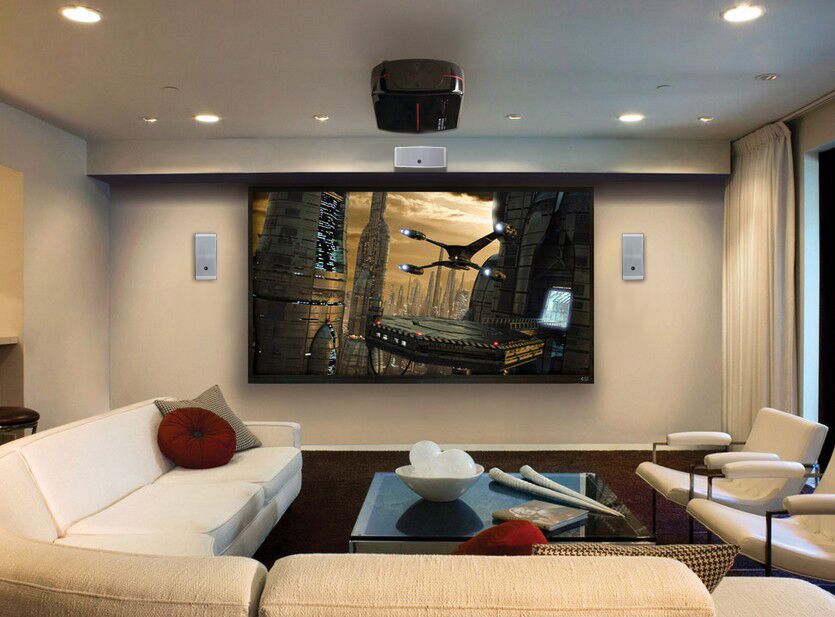 High-end home theater audio system
Although the above is just a few basics put together by Snail Power, it may well leave something out. But you can be sure that, with careful matching and adjustment, the theater in your home will be a system that delights body and mind, with high enjoyment, high quality and high style.
Scan the code - a stylish surprise is waiting for you!